
Let’s Do the Math on Cover Crops
Project

CTIC is doing the math on cover crops. You can, too.
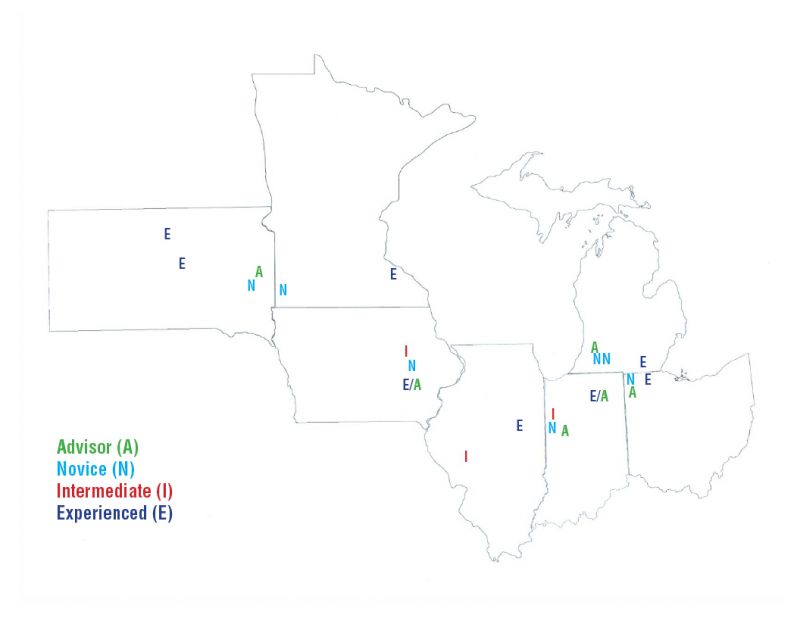
CTIC’s Economic, Agronomic and Environmental Benefits of Cover Crops project, usually called “Cover Crop Math,” will pencil out the full range of benefits that cover crops bring to the farm and surrounding areas. Twenty-one farmers in seven states across the Midwest are sharing samples and information from their operations which project partners are analyzing. Four farmers are conducting additional nitrogen rate strip trials to quantify opportunities to reduce nitrogen inputs following legume cover crops. The result of this work will be a clearer picture of cover cropping’s role in improving productivity and sustainability on farms throughout the Midwest. Critically, it will assign real dollar figures to the potential for increased profitability in a system that utilizes cover crops.
The project will also investigate the capacity of marginal and cover cropped ground to function as habitat for honey bees. Five pairs of farmers and beekeepers will be established. The farmers will provide additional bee forage either by planting pollinator habitat in marginal areas or by adjusting their cover crop management to allow additional blooming. Beekeepers will place hives on the partnering farm and monitor colony health and productivity. These partnerships will provide a useful model of communication between farmers and beekeepers and help us learn how farmers can support pollinator health without sacrificing profitability.
This project is funded by a Conservation Innovation Grant from the U.S. Department of Agriculture’s Natural Resource Conservation Service and by several partnering organizations. Partners include: Bayer CropScience, Corn & Soybean Digest, CropLife Foundation, Dupont Pioneer, Monsanto, National Corn Growers Association, The Nature Conservancy, Purdue University, and Syngenta.
Project Farmers in the News
Corn and Soybean Digest:
Penton Agriculture Magazines:
- Cover Crop Success
- With Each Season Comes New Lessons
- Stick With It
- A Seed Corn, Covers Duet
- Farmers Join Nat’l Study on Cover Crops
Other Sources:
Partners








Videos
Project Area Map
Photos
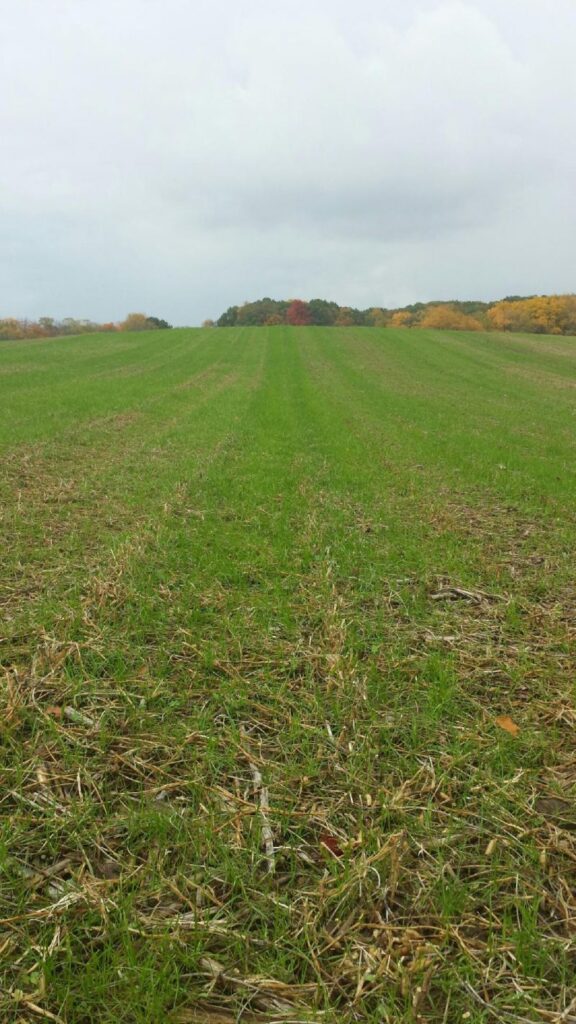

Soybeans harvested October 11 by Ray McKenzie, a producer participating on the project.

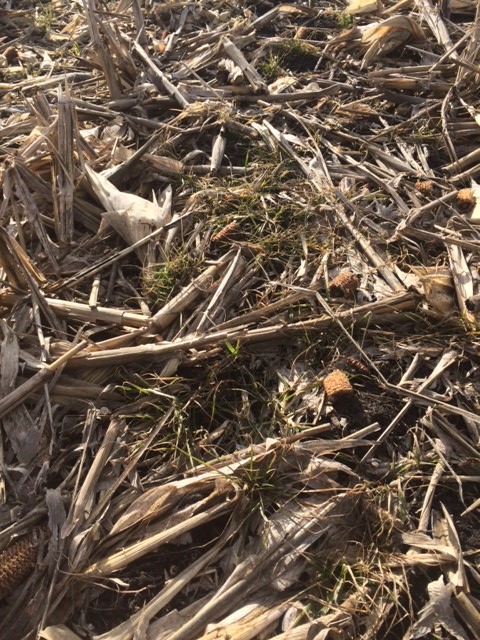
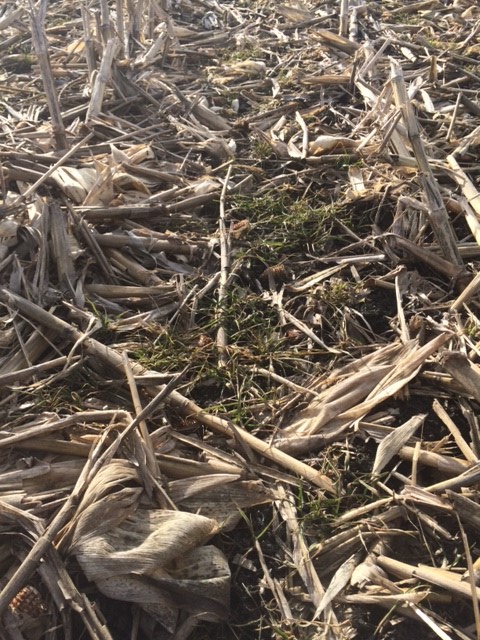
Cover crop pictures provided by Dewain Haag, a producer on the project.


Pictures provided by Rod Sommerfield, a producer on the project. Center photo displays part of the protocol for biomass sampling, namely using a hula hoop to identify the area that is being sampled.
This material is based upon work supported by the Natural Resources Conservation Service, U.S. Department of Agriculture, under number 69-3A75-13-198.
Current Projects
Past Projects

Sign up for our Newsletter

June 2026 | Raleigh, North Carolina
Conservation in Action Tour | America’s Premier On-Farm Experience
Related News
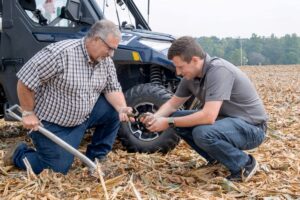
Indiana’s Farm Advisors Mentoring Program Flattens Learning Curve for Regenerative Agriculture
If someone asked you to name five winners from this year’s Winter Olympics, could you identify them? But if someone asked about your five favorite teachers from your entire school career, could you name them immediately? Our favorite teachers–and their lessons–stick with us. So do lessons from mentors. Farm Advisors in Indiana recognizes the importance…

CTIC, SARE, and USDA Unveil 2026 Cover Crop Report at Farm Progress Show; Publish Webinar and Presentation
Results of the 2026 National Cover Crop Report indicate strong interest in cover crops among many farmers who produce a wide range of crops and livestock. Among respondents to the national survey, the average acreage planted with cover crops was 397.9, and their projections anticipate crossing the 400-acre mark by next year, a 33% increase…

2026 National Cover Crop Report Shows Continued Expansion Of Cover Crop Use, Including Cover Crop Grazing, Use Of Drones, And Planting Patterns
Farmers with 10+ years of experience help provide insights into incentive program design, monetization, and management practices that drive returns on investment. INDIANAPOLIS — Results of the 2026 National Cover Crop Report released Sept. 1 at the Farm Progress Show indicate strong interest in cover crops among many farmers who produce a wide range of…