
EPA’s Dicamba Approval Carries First-Ever Conservation Requirements
CTIC News
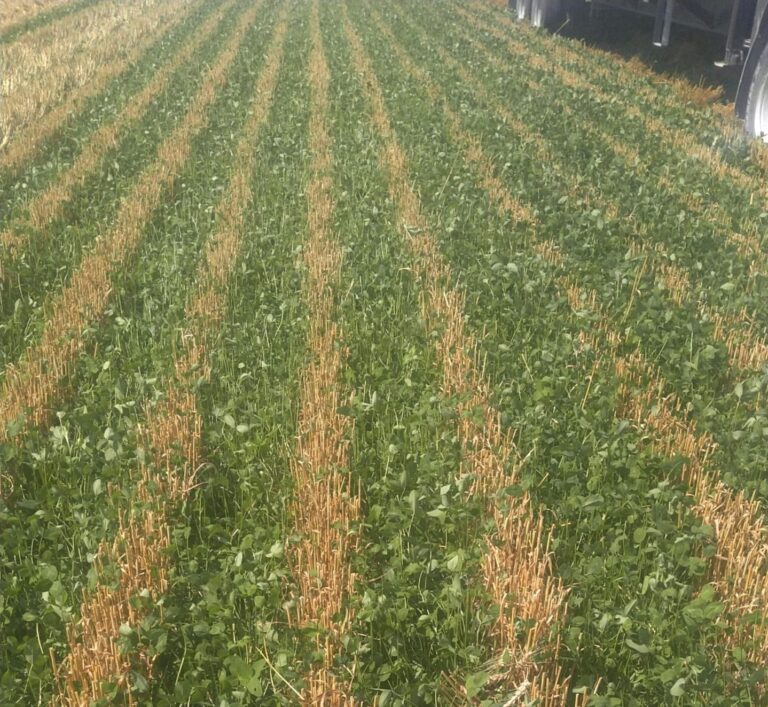
The U.S. Environmental Protection Agency’s Feb. 6 approval of over-the-top dicamba applications on cotton and soybeans establishes field-level conservation requirements when using the pesticide.
It’s the first time the agency has implemented mandatory label requirements. Under the 2026 EPA registration for over-the-top dicamba on soybeans and cotton, farmers must:
- Achieve at least 3 runoff/erosion mitigation points from a menu of conservation practices on each treated field.
- In some sensitive Pesticide Use Limitation Areas, farmers must achieve 6 points.
- Qualifying practices include cover crops, vegetative buffer strips, reduced or no-till, contour farming, and grassed waterways.
These practices are intended to reduce runoff, soil erosion, and movement of dicamba into waterways or habitats. Growers must document mitigation measures as part of label compliance, and legacy restrictions were also maintained in the two-year approval.
In response, Agricultural Retailers Assn. President and CEO Daren Coppock said the decision” preserves the safe use of OTT dicamba while maintaining workable, label-required mitigation measures for commercial applicators.” Read the full ARA statement.
American Soybean Assn. President Scott Metzger, an Ohio soybean grower, said, “Farmers need clear, workable rules that accurately reflect how we farm. We look forward to reviewing the final label and hope it incorporates the feedback ASA and its state affiliates provided to ensure dicamba remains a practical option within a responsible, science-based weed management system.” Read ASA’s full statement.
BASF said stewardship is a critical component of any pesticide registration, and it will continues to work with the EPA and state agencies to create national and state-specific training materials. The company will offer a suite of training options to ensure farmers and applicators understand the new Engenia herbicide label requirements. “Helping farmers and applicators understand these new label requirements and proper application techniques is something we take very seriously,” said Nick Fassler, Director, Technical Service, BASF Agricultural Solutions U.S. Read BASF’s full statement.
Categories

Sign up for our Newsletter

June 2026 | Raleigh, North Carolina
Conservation in Action Tour | America’s Premier On-Farm Experience
Related News
Indiana’s Farm Advisors Mentoring Program Flattens Learning Curve for Regenerative Agriculture
If someone asked you to name five winners from this year’s Winter Olympics, could you identify them? But if someone asked about your five favorite teachers from your entire school career, could you name them immediately? Our favorite teachers–and their lessons–stick with us. So do lessons from mentors. Farm Advisors in Indiana recognizes the importance…

CTIC, SARE, and USDA Unveil 2026 Cover Crop Report at Farm Progress Show; Publish Webinar and Presentation
Results of the 2026 National Cover Crop Report indicate strong interest in cover crops among many farmers who produce a wide range of crops and livestock. Among respondents to the national survey, the average acreage planted with cover crops was 397.9, and their projections anticipate crossing the 400-acre mark by next year, a 33% increase…

2026 National Cover Crop Report Shows Continued Expansion Of Cover Crop Use, Including Cover Crop Grazing, Use Of Drones, And Planting Patterns
Farmers with 10+ years of experience help provide insights into incentive program design, monetization, and management practices that drive returns on investment. INDIANAPOLIS — Results of the 2026 National Cover Crop Report released Sept. 1 at the Farm Progress Show indicate strong interest in cover crops among many farmers who produce a wide range of…