
Know Your Watershed
Project

Know Your Watershed is a coordinated national effort to encourage the formation of local, voluntary watershed partnerships and help assure that these partnerships successfully attain their goals. The initiative is sponsored by more than 70 diverse National Partners representing private and public corporations, government agencies, and non-profit organizations. Each National Partner agrees to provide financial and/or in-kind support. The national effort is coordinated by the Conservation Technology Information Center (CTIC), a non-profit data and technology information transfer center.
Getting To Know Your Local Watershed
We all live in a watershed. Watersheds are the places we call home, where we work and where we play. Everyone relies on water and other natural resources to exist. What you and others do on the land impacts the quality and quantity of water and our other natural resources. Understanding your watershed is the first step in protecting the water and other natural resources.
Partnerships are a key to effective watershed management. Through a partnership different people and organizations work together to address common interests and concerns. A partnership is the easiest way to develop and implement a successful watershed management plan because everyone is involved from the beginning.
Ground Water and Surface Water
Water. It’s vital for all of us. We depend on its good quality and quantity for drinking, recreation, use in industry and growing crops. Groundwater is a hidden resource. Groundwater is a critical component of management plans developed by an increasing number of watershed partnerships.
Successful partnerships don’t just happen, they depend on leaders who emerge from the groups. Yet, leaders of successful watershed partnerships differ from leaders of many organizations. Effective leaders generally coordinate activities and keep the partnership moving forward. A skillful leader will: Keep the purpose, goals and approach relevant and meaningful.
Conflict is a natural disagreement resulting from individuals or groups that differ in attitudes, beliefs, values or needs.If the conflict is understood, it can be effectively managed by reaching a consensus that meets both the individual’s and society’s needs. This results in mutual benefits and strengthens the relationship.
Lakes have different meanings to different people. As yourself and others in your partnership if you value your lakes. In fact some lakes are the focal point for millions, and in some cases billions, of dollars worth of food, tourism, transportation and recreation. A high quality lake valued for water supply, recreation and aesthetic appeal, can benefit all watershed residents.
Wetlands are a key link in watershed management. The role that they play in our watersheds is critical to protecting water quality and moderating water quantity. Wetland habitat serves as home for many plants and animals. Even the national- and in many areas the local- economy has a signifcant connection to wetlands.
Current Projects
Past Projects

Sign up for our Newsletter
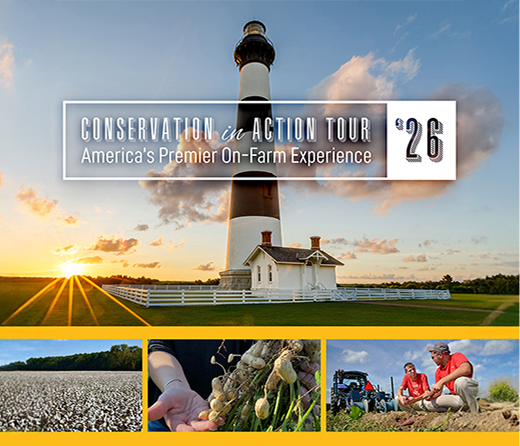
June 2026 | Raleigh, North Carolina
Conservation in Action Tour | America’s Premier On-Farm Experience
Related News

Farmer Feedback Needed for the National Cover Crop Survey
Farmers across the U.S.—whether they use cover crops, formerly used them, or have never planted covers—are invited to share their insights on cover crops in the National Cover Crop Survey being conducted by the Conservation Technology Information Center (CTIC), the USDA’s Sustainable Agriculture Research and Education (SARE) Program, and the American Seed Trade Association (ASTA).…

RFP Open Through April 8 for Cover Crop Enrollment Partnership Program
CTIC is seeking partners capable of providing targeted, network-based engagement that identifies, qualifies, and connects high-quality farmer prospects for enrollment in the Farmers for Soil Health program. The Conservation Technology Information Center (CTIC) is seeking proposals from qualified vendors to participate in its Cover Crop Enrollment Partnership Program. Through this program, CTIC aims to collaborate…
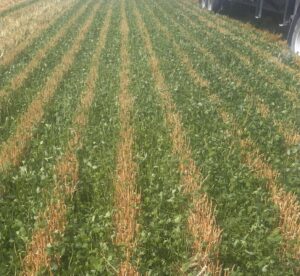
EPA’s Dicamba Approval Carries First-Ever Conservation Requirements
The U.S. Environmental Protection Agency’s Feb. 6 approval of over-the-top dicamba applications on cotton and soybeans establishes field-level conservation requirements when using the pesticide. It’s the first time the agency has implemented mandatory label requirements. Under the 2026 EPA registration for over-the-top dicamba on soybeans and cotton, farmers must: These practices are intended to reduce…