
Farmers for Soil Health Completes Team, Continues Farmer Engagement, and Prepares for 2026 Enrollment
CTIC News, Featured, Soil Health & Stability

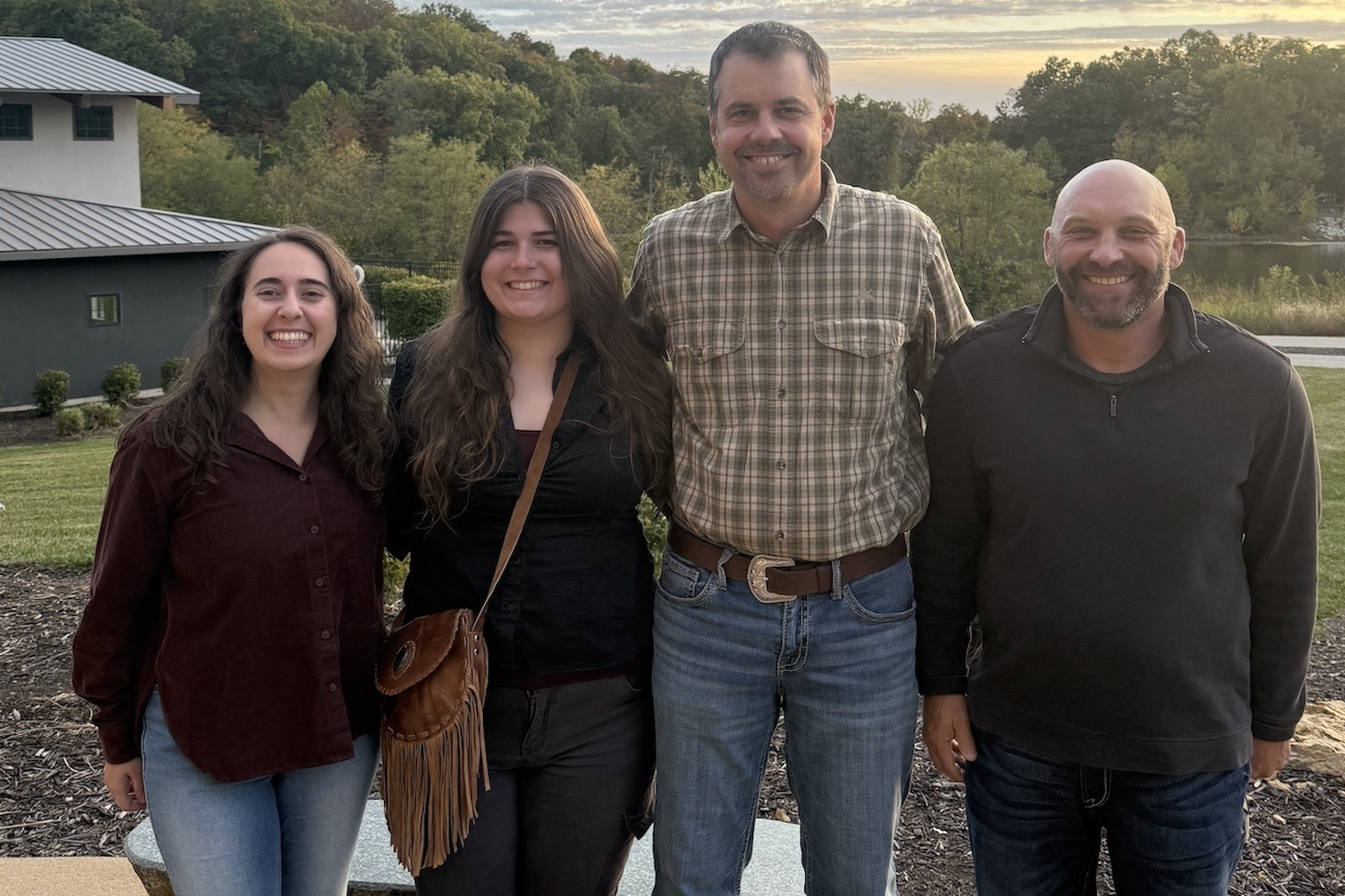
The march toward doubling the country’s cover crop acres by 2030 continues across the country with the work of more than 3,000 soil and water conservation districts, NRCS, commodity groups, food companies, and the myriad implementers supporting farmers on the ground.
The Farmers for Soil Health program is contributing its share in 20 states and ramping up for a new enrollment period in 2026. We’ve been busy at CTIC, accelerating outreach, expanding capacity, and preparing to meet the demand from farmers in our program area.
CTIC Welcomes Theresa Pedretti
We’re excited to share that Theresa Pedretti, CCA, joined CTIC this month as Senior Soil Health Specialist, leading the Farmers for Soil Health program and team of specialists to provide technical assistance and financial support for cover crops. She has more than 14 years of experience working with farmers as an agronomist and specializes in advancing soil health practices and guiding farmers across the Midwest in selecting cover crops tailored to their operational needs.
Theresa is committed to promoting sustainable agriculture and improving soil health resilience through practical, science-based solutions. Before joining CTIC, Theresa was a sales agronomist and cover crop lead for Albert Lea Seed and also has worked as a retail agronomist for cooperatives.

Theresa will join the team in their outreach, which has been expansive in 2025 and will continue to engage with producers during the busy tradeshow season this winter.

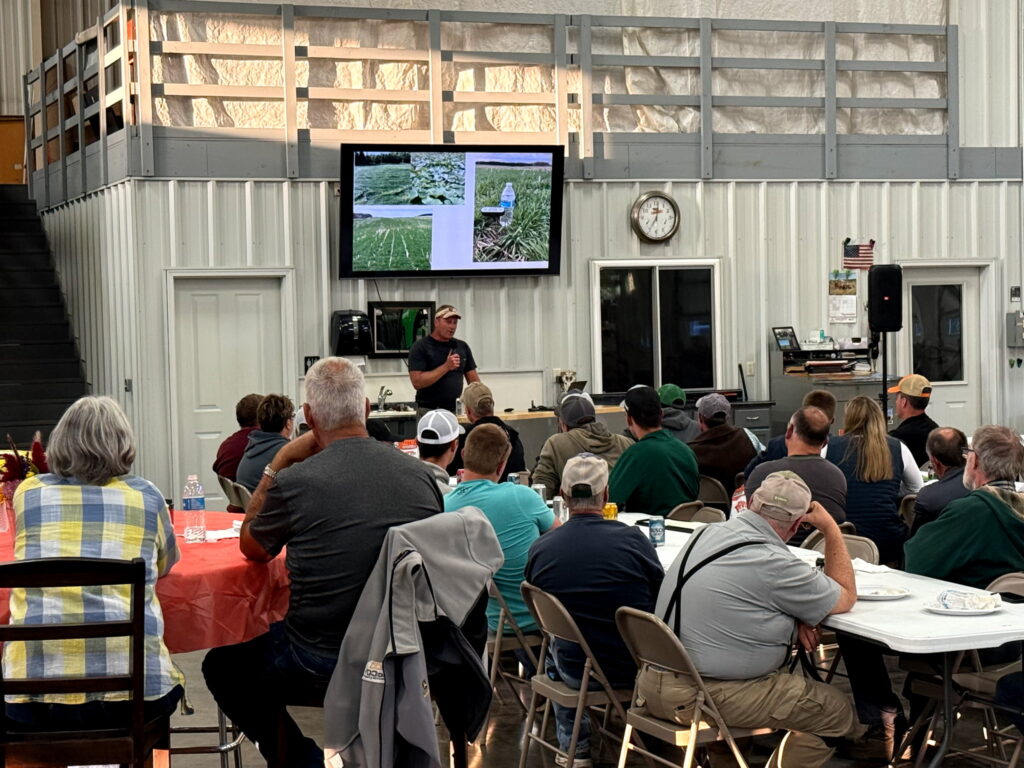
Next up: Duffy and Minnesota Specialist Maria Teresa Tancredi are collaborating on a workshop for beginning farmers in St. Charles, Minn., on Dec. 18. If you’re in the area, you can register for “Managing Cover Crops Effectively: Real Talk with Farmers on Implementation and ROI” by contacting our team. Thank you to Compeer Financial Fund for their continued support of Farmers for Soil Health and America’s producers.
Categories

Sign up for our Newsletter
June 2026 | Raleigh, North Carolina
Conservation in Action Tour | America’s Premier On-Farm Experience
Related News

Farmer Feedback Needed for the National Cover Crop Survey
Farmers across the U.S.—whether they use cover crops, formerly used them, or have never planted covers—are invited to share their insights on cover crops in the National Cover Crop Survey being conducted by the Conservation Technology Information Center (CTIC), the USDA’s Sustainable Agriculture Research and Education (SARE) Program, and the American Seed Trade Association (ASTA).…

RFP Open Through April 8 for Cover Crop Enrollment Partnership Program
CTIC is seeking partners capable of providing targeted, network-based engagement that identifies, qualifies, and connects high-quality farmer prospects for enrollment in the Farmers for Soil Health program. The Conservation Technology Information Center (CTIC) is seeking proposals from qualified vendors to participate in its Cover Crop Enrollment Partnership Program. Through this program, CTIC aims to collaborate…
EPA’s Dicamba Approval Carries First-Ever Conservation Requirements
The U.S. Environmental Protection Agency’s Feb. 6 approval of over-the-top dicamba applications on cotton and soybeans establishes field-level conservation requirements when using the pesticide. It’s the first time the agency has implemented mandatory label requirements. Under the 2026 EPA registration for over-the-top dicamba on soybeans and cotton, farmers must: These practices are intended to reduce…